Category: Sounds of 1922
-
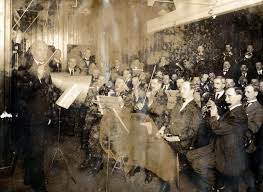
My time with Strauss
Richard Strauss was born in June 1864. I was born in June 1964. In a blog series about recordings made 100 years ago, that chronological nicety gives me a little thrill, as, with a stretch of imagination, I can put myself in Strauss’s polished shoes in 1922. (Though, unfortunately, I don’t have the Mercedes. And…
-

Do it Again… and again… and again… and again
The 23-year-old George Gershwin was already a prolific composer by the time The French Doll opened on Broadway in February 1922. The musical comedy ran for 120 performances, but its lasting legacy was the single song that Gershwin wrote for the show: Do it Again, with racy lyrics by Buddy de Silva. The song already…
-
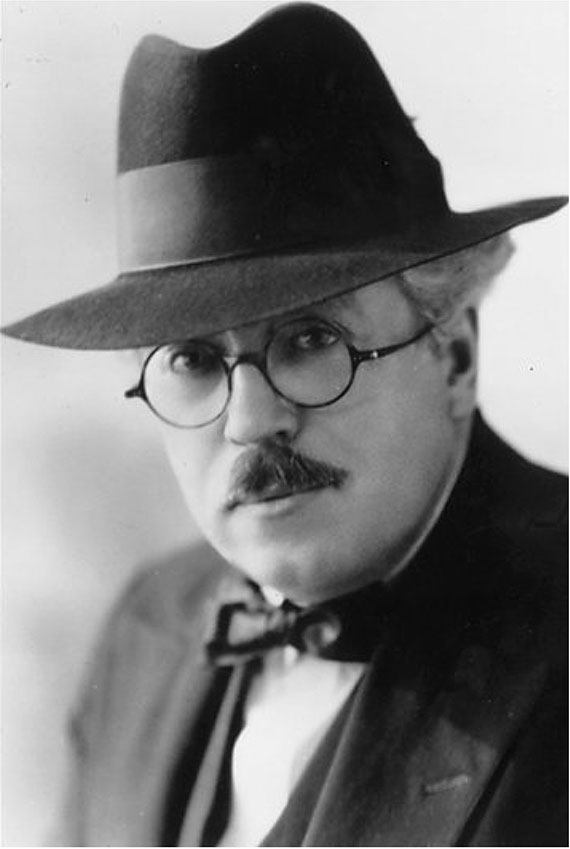
String quartets, poetry, and cups of tea: Frank Bridge and Ivor Gurney
British classical music in the early twentieth century was dominated by the teaching of an Irishman: Charles Villiers Stanford (1852 – 1924), Professor of Composition at the Royal College of Music since its founding in 1883, and Professor of Music at Cambridge University since 1887, where he established Music as an academic subject requiring a…
-
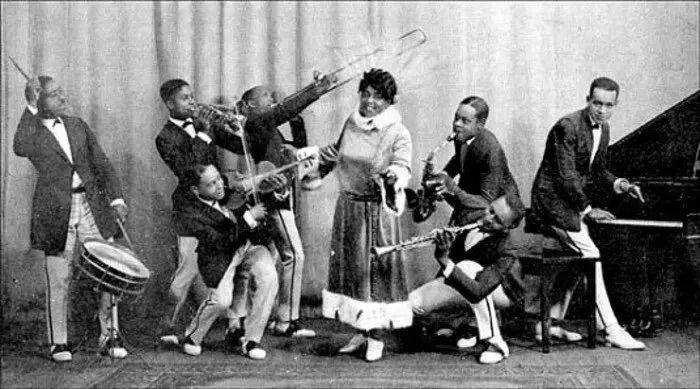
“You’re in the right church, but in the wrong pew”
This is a woman with attitude. This is a band with attitude. Mamie Smith and her Jazz Hounds were launched into the world of recorded music as the real sound of African American jazz in the early 20s after several years of an often fairly tidied up version in more respectable arrangements by mostly white…
-
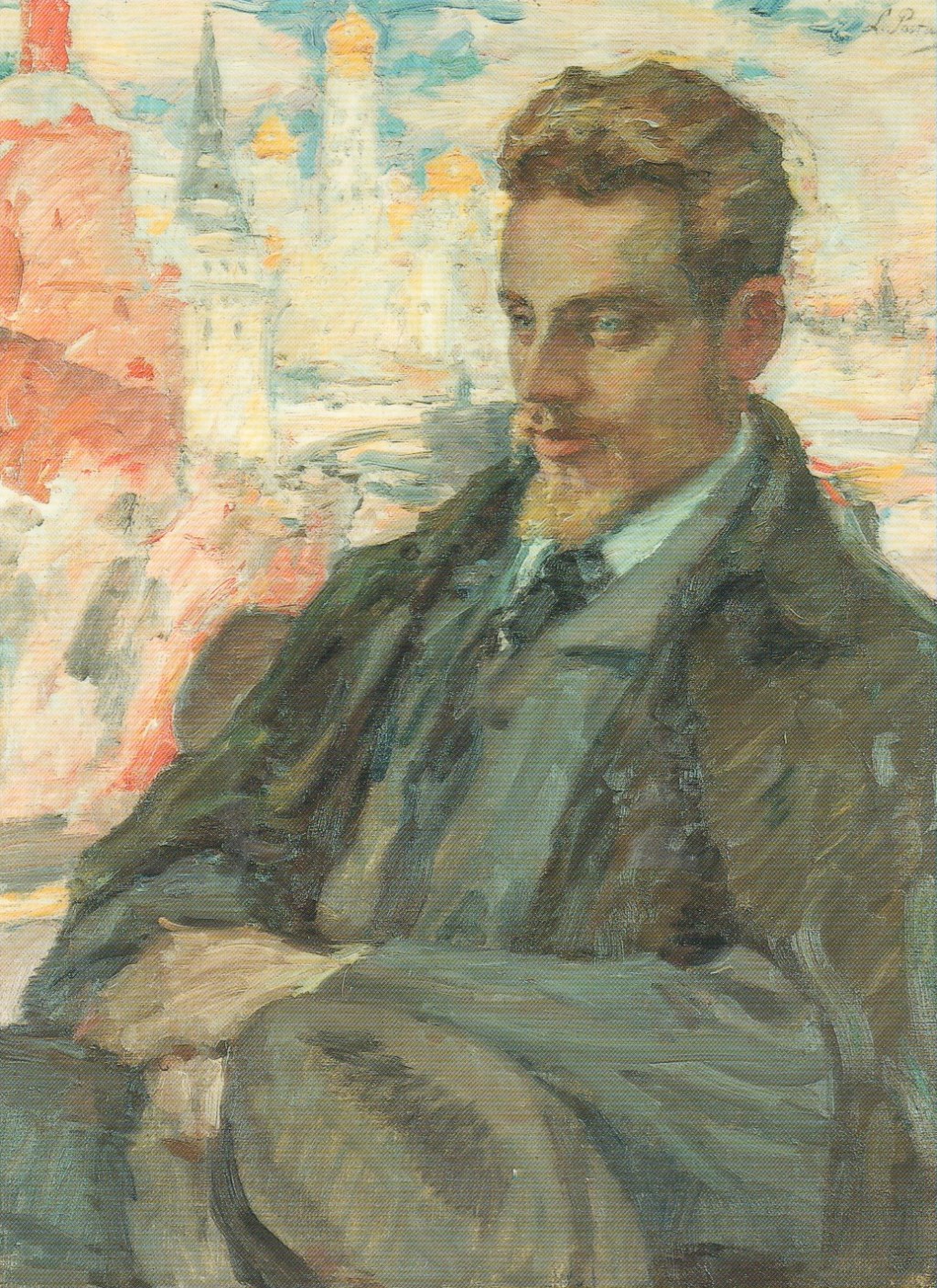
Beethoven and Rilke – “existence is still enchanted”
By 1922 the 10-inch 78 rpm disc was pretty much established as the norm for commercial recording. The 3 minutes or so that could fit on one side set the template for pop songs that continues to this day. Classical recordings were often released on 12-inch discs, which allowed for an extra minute or two,…
-
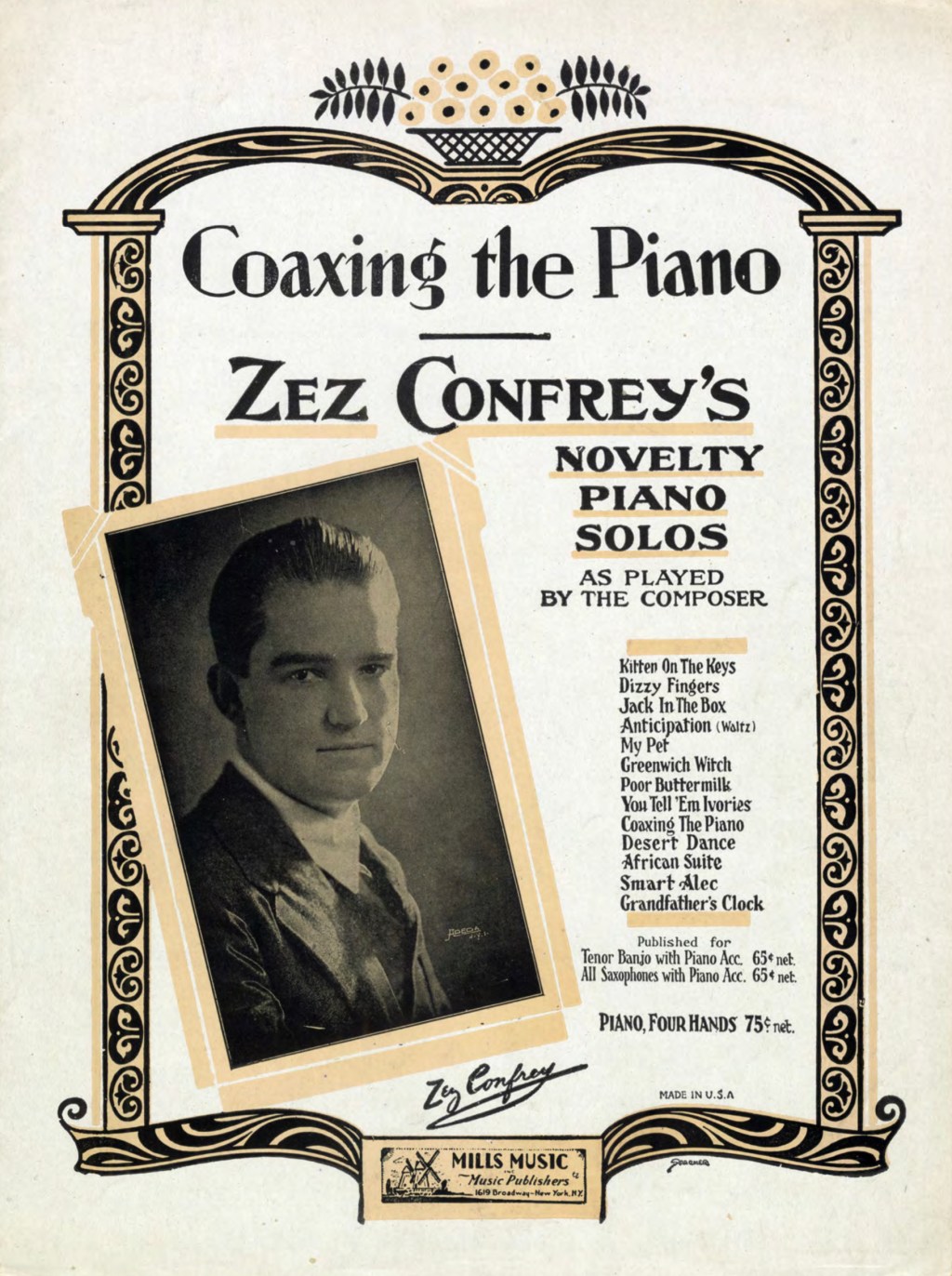
Modernism in miniature?
Here we are at post no. 12 in this series on recordings of 1922 and there’s been little mention of the m-word. 1922 is often seen as a crucial year in the history of Modernism – the year that saw the publication of James Joyce’s Ulysses and T.S. Eliot’s The Wasteland. And both writers were…
-

Naftule Brandwein and Joseph Roth: sketches of a lost Europe
This is the music of borders. Or the crossing of borders. The great klezmer clarinettist, Naftule Brandwein crossed the maritime border of the USA in April 1909 to join his brother Israel who was already living in New York. But his musical journey had begun much earlier – from birth in fact, as he was…
-

Rhythm is life: Paderewski and the Art of Rubato
During these dark times in Europe my recent posts have dealt with music and politics, so who better to listen to next than one of the greatest musicians of his age who was also an international statesman and passionate advocate of the right of nations to determine their own future? Ignacy Jan Paderewski (born 1860…
-
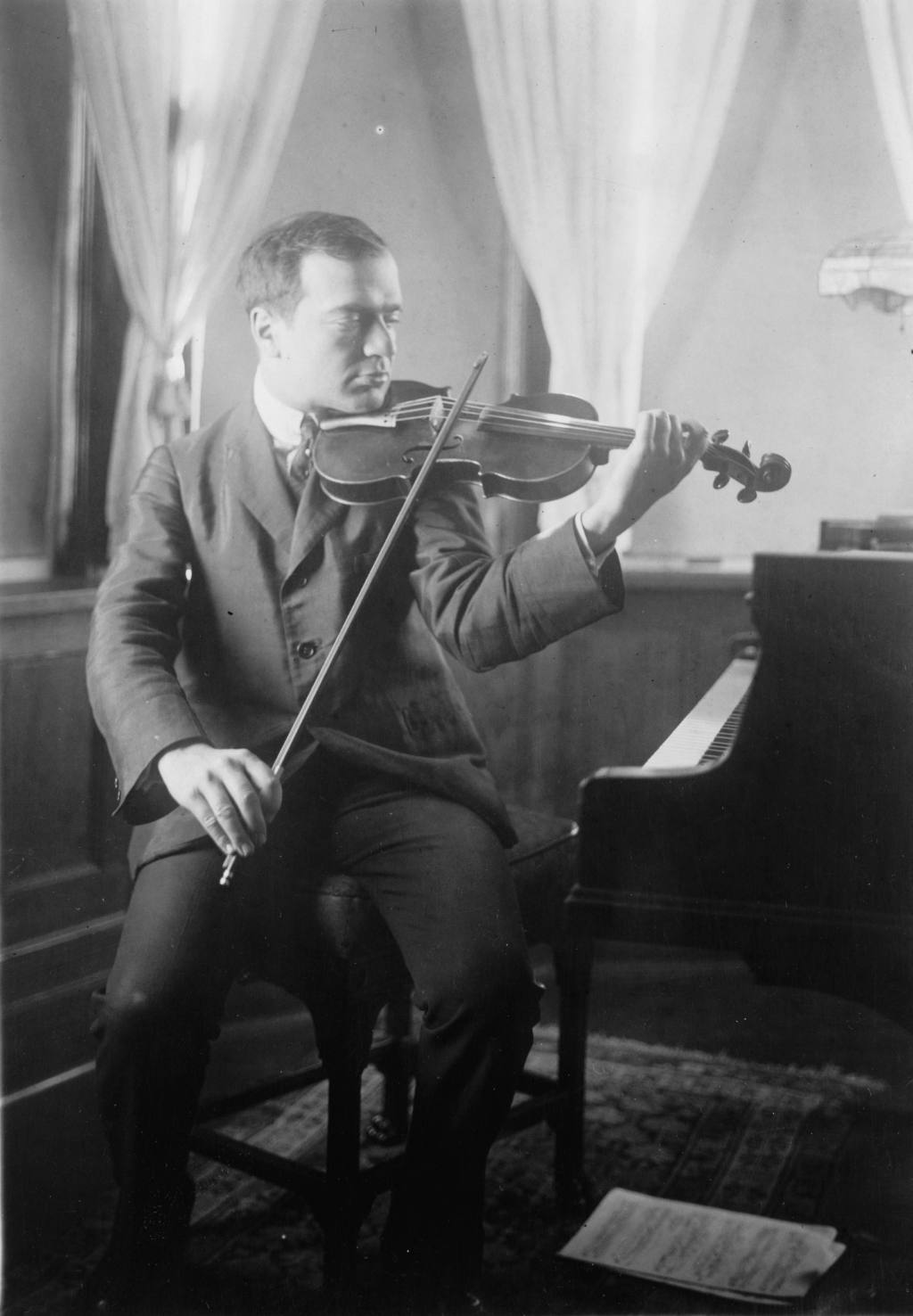
On Being Hu(ber)man
If you’re a world-class musician at the height of your fame, and your country, or the country where you perform, commits crimes against humanity, what do you do or say? If you want to take an ethical stance, there are essentially two alternatives: the Furtwängler option and the Huberman option. As the Nazi Party tightened…
-
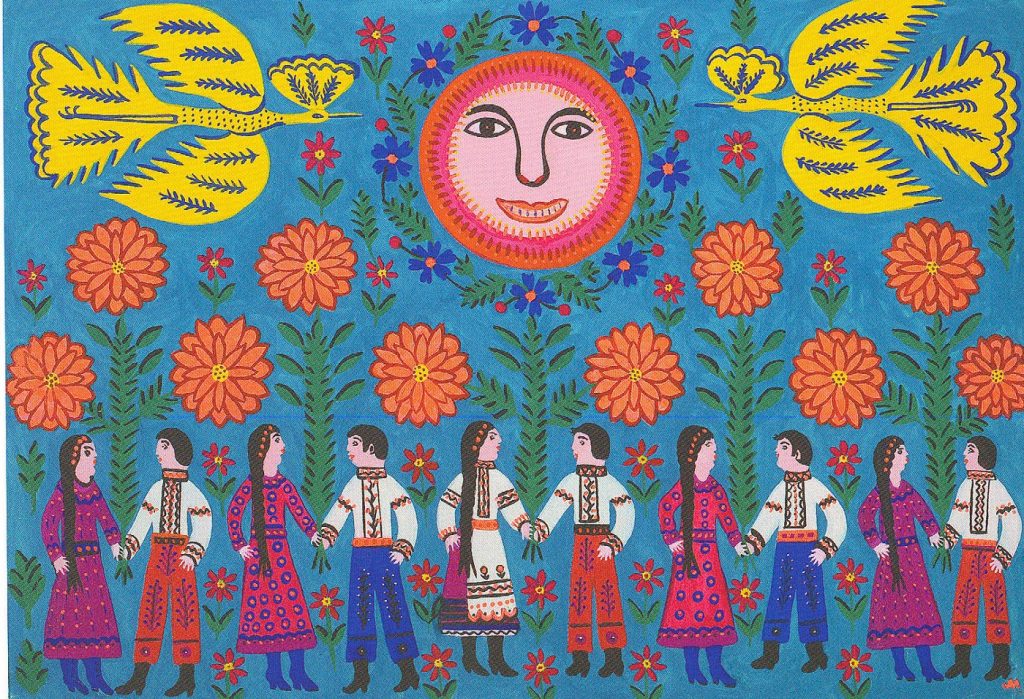
Voices of Ukraine 1922 – Part 2
It’s never possible to separate art and culture from politics. Any attempt to do so is itself a political act. The only question is whether those politics are benign and welcoming to all, or hostile and discriminatory to groups or individuals. Cosmopolitanism versus local or national culture is a false dichotomy when it comes to…
-

Voices of Ukraine 1922 – Part 1
For a brief moment following the collapse of empires – Russian, Austro-Hungarian, and Ottoman, after the First World War – an independent Ukrainian state existed: the Ukrainian People’s Republic. The Ukrainian National Chorus was formed to promote Ukrainian culture abroad and, in a triumph of what must nave been very challenging post-war logistics, it toured…
-
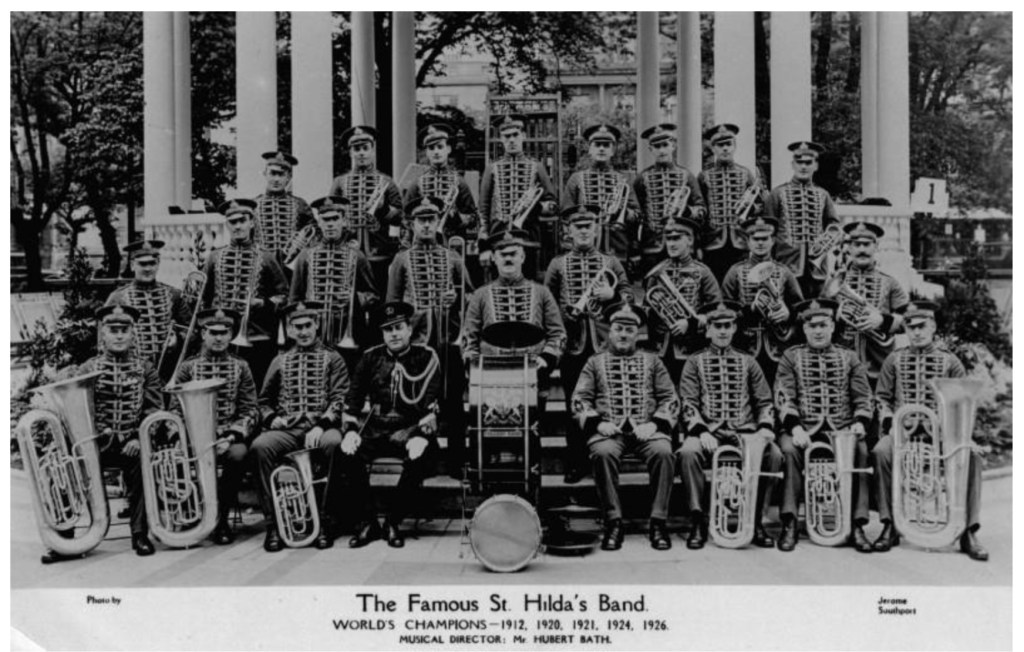
First the smoulder, then the glow, then the blaze
“Tone, tune, time reading, technique and expression of the finest culture.” These were the adjudicators’ comments when St Hilda’s Colliery Band won the Crystal Palace 1,000 Guinea Trophy and the Championship of the British Empire (later called simply National Championship) for the third time in 1921. The band had won in 1912, came second in…
-
Will the real Mr Rachmaninoff please stand up?
A masterly transcription of an orchestral piece by Bizet. With minimal changes to the original (written 50 years before these recordings, in 1872) – just a few chromaticisms in the figurations and an occasional spicy chord – it has been transformed into a Rachmaninoff-sounding piano miniature. It’s as though Rachmaninoff recognised his doppelgänger in the…
-
“At night when you’re asleep, into your tent I’ll creep,” sang The Beatles
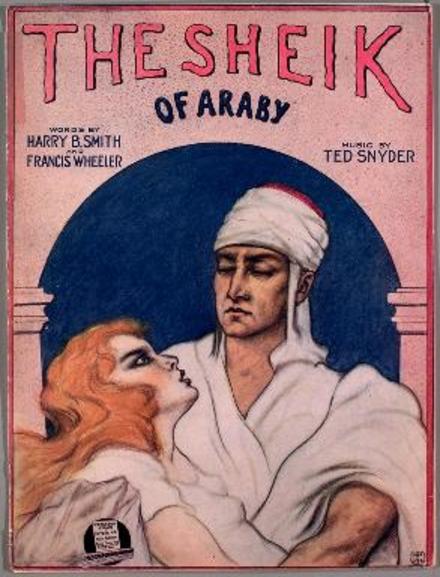
A Jewish Russian-Hungarian band leader (Dajos Béla) and his Berlin-based salon orchestra (Künstler-Kapelle) playing an Arabian shimmy (“Arabischer Shimmy”) by an American composer (Ted Snyder) written in response to a book by an English author (Edith Maud Hull), and made popular by a hit silent film (The Sheik), starring an Italian actor (Rudolph Valentino). What…
-

“The Greatest Woman Violinist the World Has Ever Produced. Unknown.”
Two sisters from Vienna. Erika, about 17 years old, sits casually – her right leg underneath her, holding a copy of the Musical Courier. She wears a sailor-suit ribbon to emphasise her youth. Her smile still has a hint of adolescent self-consciousness about it. Alice, 8 years older, sits on the arm of the sofa…
-

The Klezmer Melting Pot
Only three players in this orchestra: Shloimke Beckerman on clarinet, Harry Raderman on trombone, and A. Nonymous on piano, but together they summon up the rowdy spontaneity of a full klezmer band. Not so unlike the rowdy spontaneity of a dixieland jazz band. In fact, Raderman makes use of the newly invented wah-wah mute here,…
-

Schubert’s Unfinished Dance Band
A friendly collision in 1922 between a horse-drawn carriage from 1820s Vienna and an open-topped automobile in 1920s New York. The old world meets the new for a tipsy foxtrot in prohibition era America. A pre-echo of Kurt Weill who will soon bring his classical sensibilities to the sound-world of American dance bands and then…
 Listening Back