It’s never possible to separate art and culture from politics. Any attempt to do so is itself a political act. The only question is whether those politics are benign and welcoming to all, or hostile and discriminatory to groups or individuals.
Cosmopolitanism versus local or national culture is a false dichotomy when it comes to art. To be a cosmopolite is to be a citizen of the world. It is not to see that world as one bland amorphous thing. Differences of regional culture and language can only enrich our understanding and appreciation of our fellow humans.
When it comes to nationalism and art we have to tread carefully. But even here, the territory can stretch between negative and positive poles, depending on context. And today’s context of Putin’s invasion of Ukraine – unusually clear in the distinction between right and wrong – allows for a wholehearted support of Ukrainian art and culture as a rallying cry in support of a desperate people.
At other times, the playing of a national anthem at concerts around the world could feel uncomfortable to a committed world citizen. But precisely now, performing the Ukrainian anthem is an act of solidarity: we are all Ukrainians now.
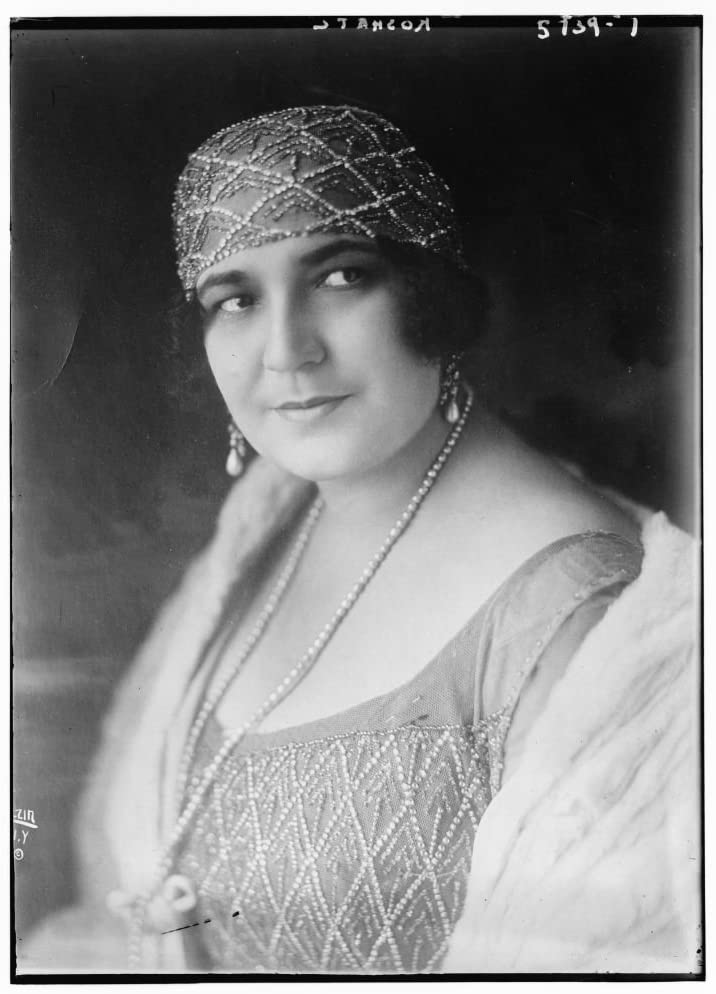
Nina Koshetz (born Kyiv 1891) was the niece of Alexander Koshetz – the conductor of the Ukrainian National Chorus, featured in my previous post. In 1922, she was already a star of opera, both in the lands of the former Russian Empire and on tour in the USA. She broke that tour to join as soloist with her uncle’s choir and to make recordings. Most of the solo recordings were of typical – mainly Russian – operatic repertoire, but this one of a Ukrainian folk song, Winds are Blowing, has special resonance at this time of crisis.
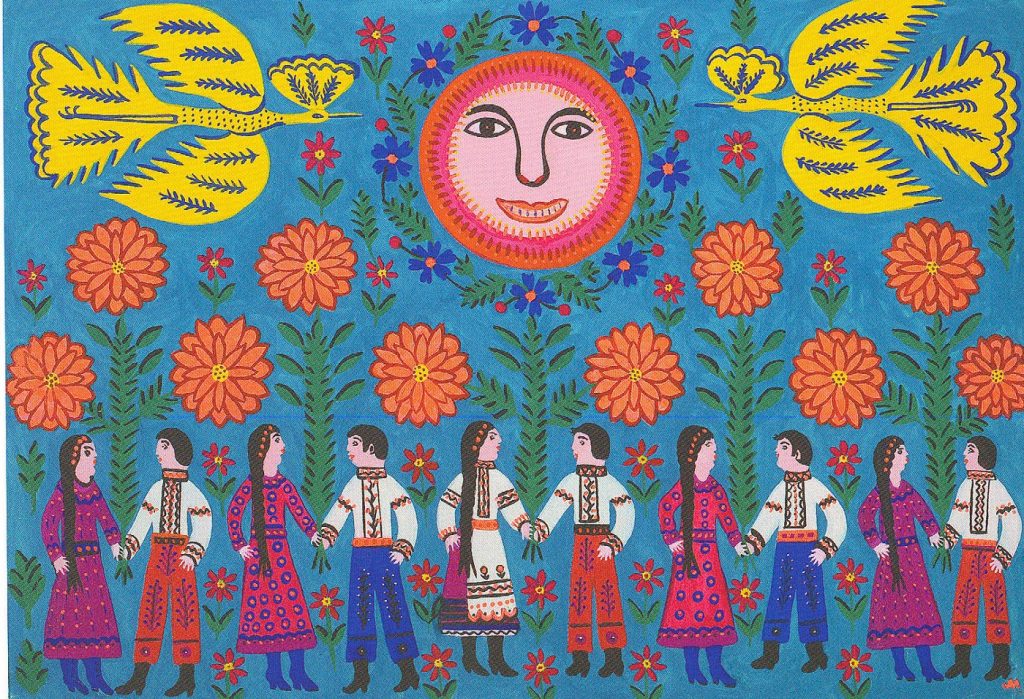
Footnote: In recent years, an extraordinary project has been documenting folk songs in Ukraine. At the time of writing the Polyphony Project website has 1787 songs in high quality audio and video.
[Winds are Blowing (Ukrainian Folk Song). Nina Koshetz, soprano; Boris Lang, piano. Recorded New York, approximately October 1922]
 Listening Back
Leave a comment